









The Administration has made American manufacturing, shipbuilding, and supply chain resilience national priorities. The Great Lakes region is home to steel, autos, agriculture, energy infrastructure, defense suppliers, and advanced manufacturing. The St.
The Administration has made American manufacturing, shipbuilding, and supply chain resilience national priorities. The Great Lakes region is home to steel, autos, agriculture, energy infrastructure, defense suppliers, and advanced manufacturing. The St. Lawrence Seaway carries maritime commerce into that region.
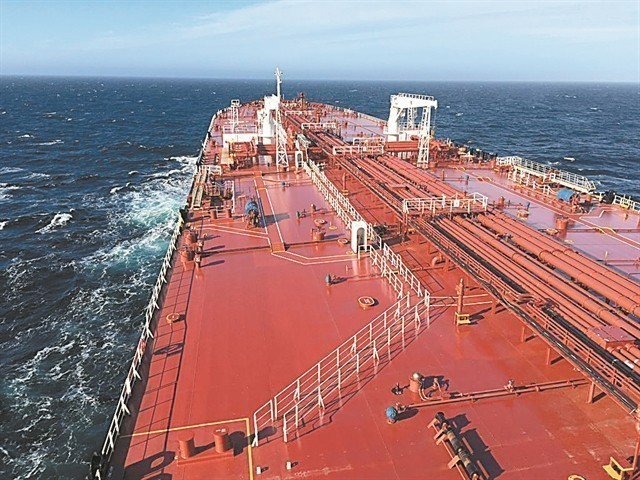
Recent events in the Strait of Hormuz have reminded policymakers and the public that maritime transportation matters. Strategic waterways matter because transportation costs matter. Every additional cost imposed on cargo movement affects trade flows, investment decisions, and economic competitiveness.
One such cost receives far less attention closer to home. Canada collects tolls on cargo moving to and from U.S. Great Lakes ports, while the United States provides toll-free access through its portion of the same route.
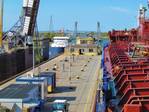
Ocean vessels traveling between the Atlantic Ocean and U.S. Great Lakes ports must transit both U.S. and Canadian locks and channels. The United States and Canada built the St. Lawrence Seaway together. The United States has invested billions of dollars in the Seaway and Great Lakes navigation system and continues to do so through the construction of the new Soo Lock, one of the largest inland navigation infrastructure projects in the nation. Congress waived collection of the U.S. share of commercial tolls in 1986
Content Original Link:
" target="_blank">