










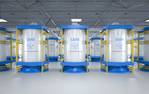
For decades, floating nuclear power occupied a niche position in the energy debate – technically feasible, strategically intriguing, but commercially marginal. Today, however, combined pressures of decarbonization, energy security, land constraints…
For decades, floating nuclear power occupied a niche position in the energy debate – technically feasible, strategically intriguing, but commercially marginal. Today, however, combined pressures of decarbonization, energy security, land constraints, rising electricity demand and water scarcity are making floating nuclear power a more serious proposition for policymakers, utilities, and infrastructure
Floating Nuclear offers a potential source of reliable, low-carbon electricity and heat (and, where possible, desalinated water) for locations where conventional energy systems are expensive, carbon-intensive, or physically impossible to build.
The strongest case emerges in remote coastal regions and small island developing states (SIDS). In these contexts, the challenge is not only decarbonization – it is the high cost of imported fuel, the vulnerability of supply chains, and the difficulty of scaling grid infrastructure.
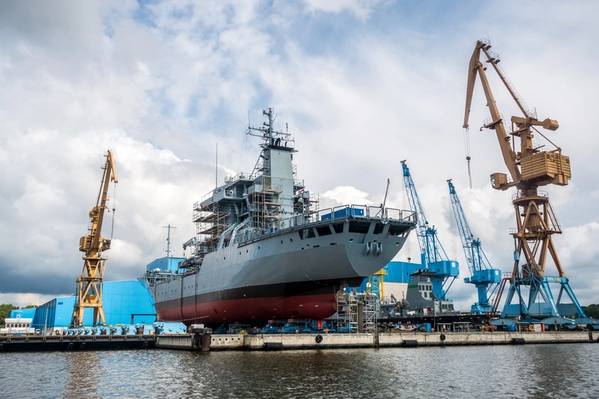
A floating nuclear power plant (FNPP) can be manufactured in a shipyard, towed to site, moored near shore, connected to the local grid, and later serviced, replaced, or decommissioned with less land disruption than a large onshore plant.
This is particularly relevant for SIDS. Many islands remain dependent on imported diesel or fuel oil, face volatile electricity prices and have limited space for large-scale generation assets. At the same time, these countries are on
Content Original Link:
" target="_blank">