











Gulf countries' dependence on oil shipments through the Strait of Hormuz could be significantly reduced by a pipeline linking the Gulf to Europe via Israel, Israel's energy minister said, allowing them also
Gulf countries' dependence on oil shipments through the Strait of Hormuz could be significantly reduced by a pipeline linking the Gulf to Europe via Israel, Israel's energy minister said, allowing them also to bypass Red Sea shipping disruptions.
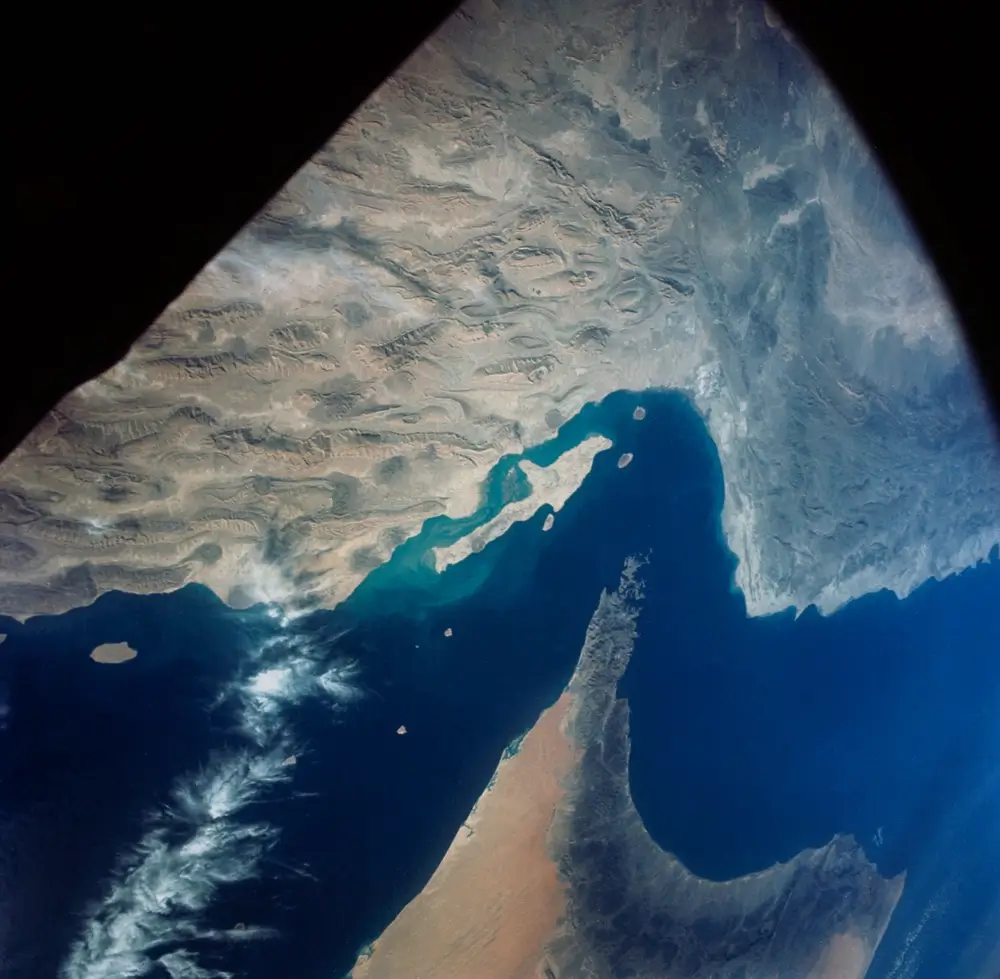
Oil prices surged after the U.S. and Israel launched strikes on Iran on February 28 and Tehran effectively closed the strait. Prices have dropped since a U.S.-Iran ceasefire but fears remain that renewed tensions could close the waterway.
"The Gulf countries do not want to be dependent on either Iran or the Houthis (in Yemen) when it comes to their oil exports, which are their primary source of income," Eli Cohen, Israel's energy minister, told Reuters in an interview in Jerusalem.
"If you create a land route, you bypass both Iran and the Houthis... The best route is through the State of Israel."
Yemen's Iran-aligned Houthis have frequently attacked shipping in the Red Sea in recent years.
A pipeline through Israel has been mooted in the past, but the idea was never developed due to Middle East tensions.
SAUDI PLAN
Saudi Arabia is considering expanding the capacity of its crude oil pipeline to the western Red Sea coast, sources close
Content Original Link:
" target="_blank">