











IMO: Seafarers must come first as shipping faces geopolitical and regulatory challenges
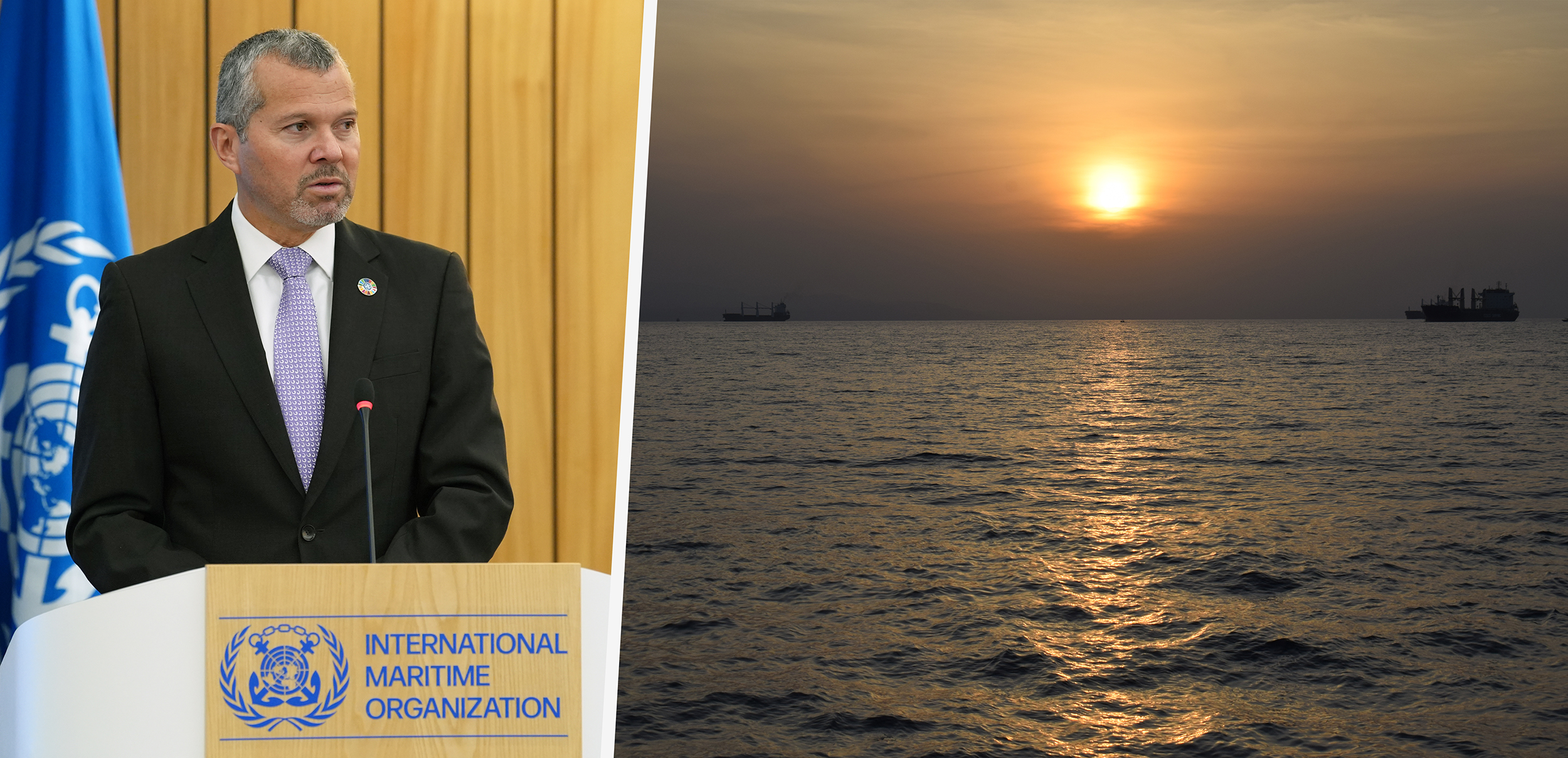
Shipping has faced significant challenges this year, with geopolitical conflicts claiming the lives of seafarers and disrupting global energy and food supply chains, according to IMO Secretary-General Arsenio Dominguez.
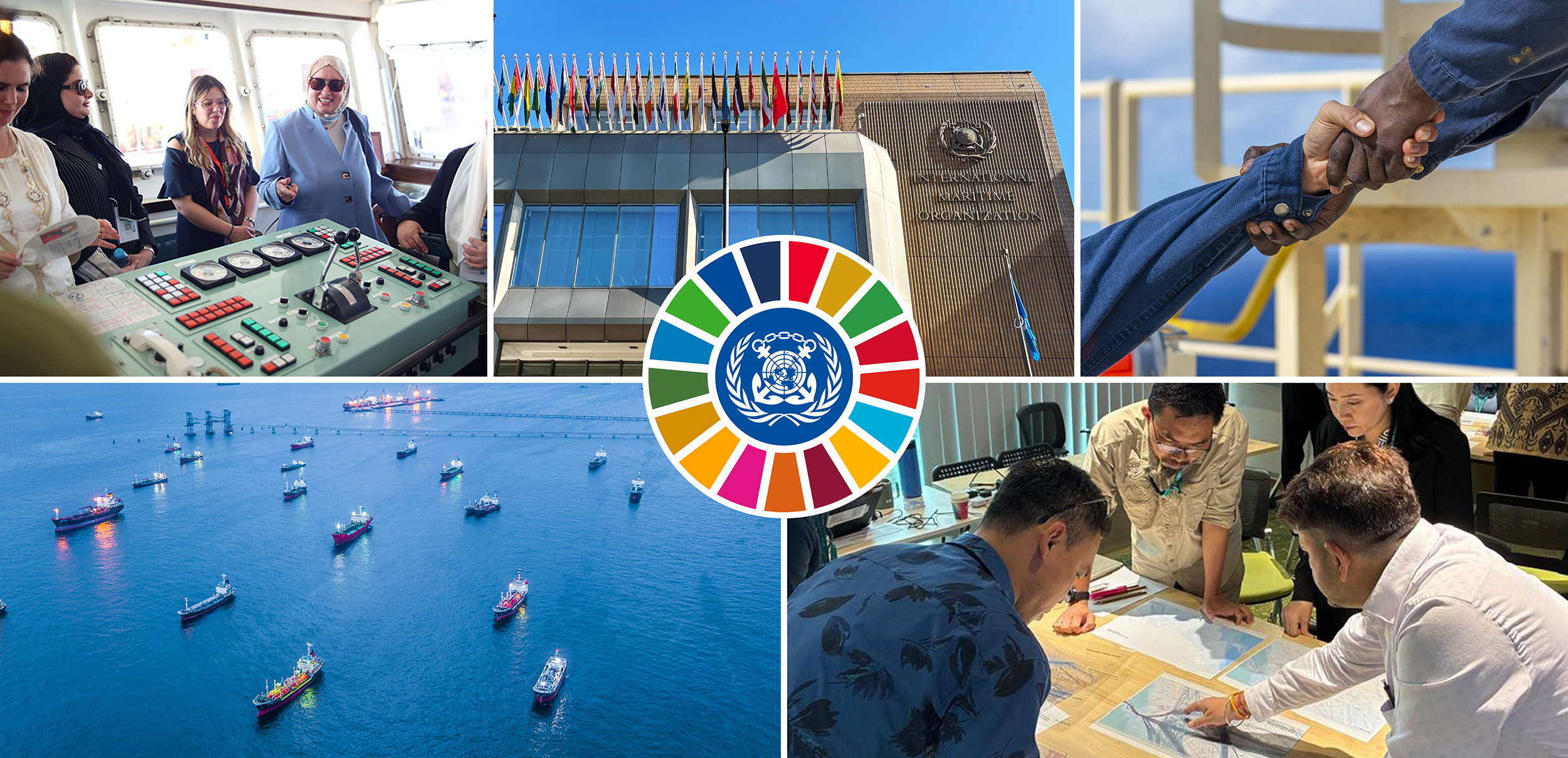
The remarks were delivered ahead of World Maritime Day, observed on 24 September, which this year focuses on the theme “From Policy to Practice, Powering Maritime Excellence.” The theme highlights the need to ensure that international maritime regulations are effectively implemented and translated into tangible improvements across the industry, particularly for those working at sea.
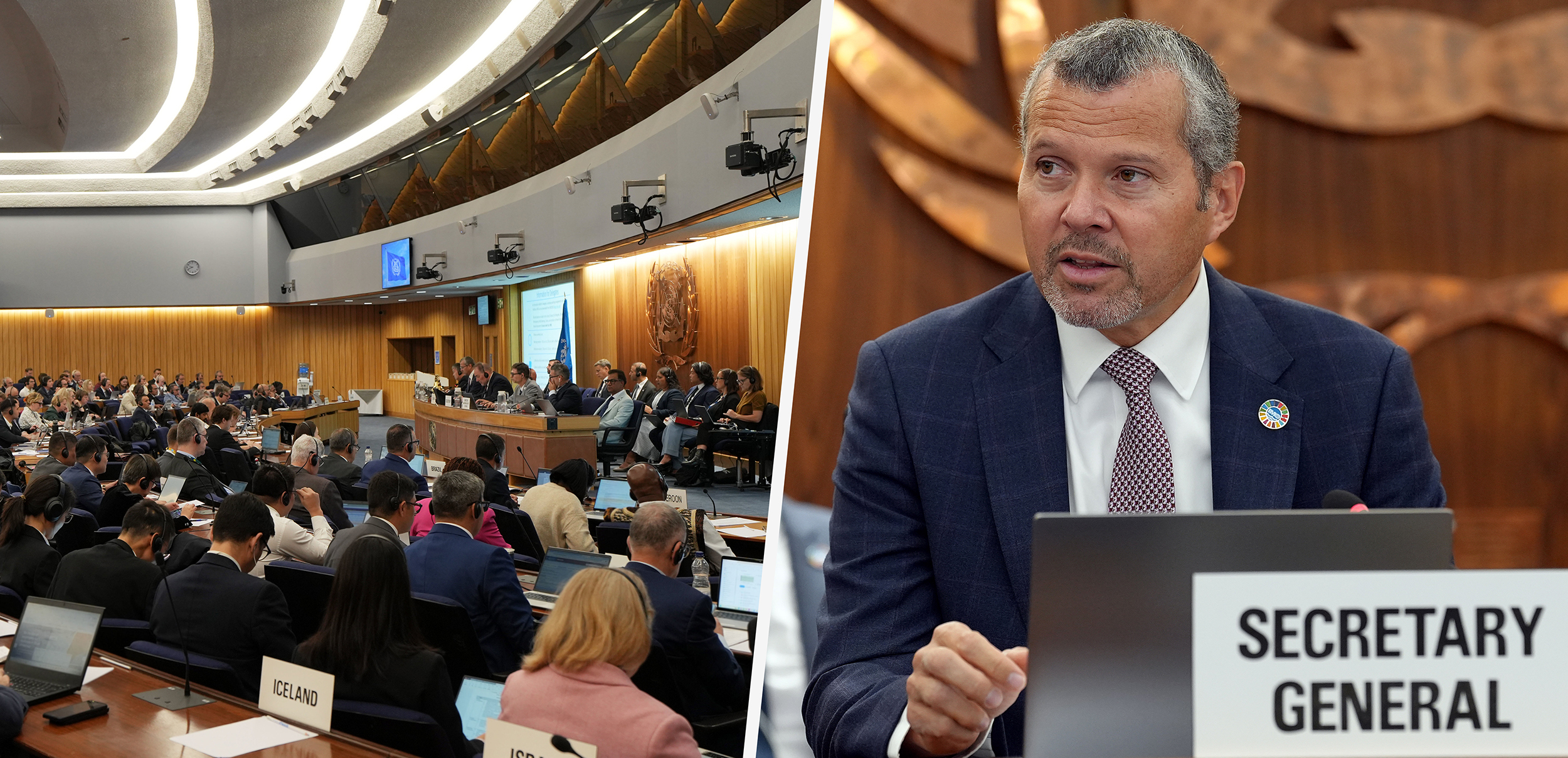
In a World Maritime Day message, Dominguez said the IMO’s priority remained supporting shipping and seafarers as the sector navigates geopolitical instability, the energy transition, digitalization and other changes.
Regrettably, too many seafarers have lost their lives due to geopolitical conflicts
… Dominguez said, stressing that the IMO’s thoughts were first and foremost with the seafarers and their families who have been affected.
He also highlighted the wider impact of conflicts on global trade, noting that energy and food supply chains have been disrupted as shipping has faced growing security risks.
Turning policy into practice
The World Maritime Day theme underlines that international regulations can only deliver safer, more resilient and cleaner shipping if they are effectively implemented worldwide.
Implementation must make a difference where it matters the most, for the people working at sea
… Dominguez noted.
The IMO’s mission, he added, is to ensure that every Member State receives the support needed to effectively implement IMO regulations.
Effective implementation is particularly important for seafarers, who are directly affected by the application of international requirements covering safety, working conditions, training, security and environmental performance.
Seafarers at the centre of transition
Looking ahead to the next decade, Dominguez said the IMO aims to ensure that all Member States can benefit from emerging opportunities while responding to major changes across the maritime sector.
These include the continued adoption of digitalization, the transition to cleaner energy and efforts to create greater opportunities for women in shipping.
The energy transition, in particular, is expected to bring significant changes to seafarers’ roles, requiring new skills, training and safety measures as ships increasingly adopt alternative fuels and technologies.
At the same time, the IMO has identified diversity and inclusion as important elements of the sector’s future, including creating more opportunities for women to participate across the maritime workforce.
However, Dominguez stressed that these priorities must not overshadow the people working onboard.
Across all these policies and priorities, one principle must remain constant: Seafarers come first. Always
… he said.
From regulation to real-world impact
The IMO’s message places implementation at the centre of its efforts to strengthen maritime safety and resilience.
While international rules establish common standards for the industry, their effectiveness ultimately depends on how they are applied by flag States, port States, companies and other stakeholders.
For seafarers, this means that regulatory commitments need to translate into practical improvements in their daily working and living conditions, as well as stronger protection when operating in increasingly challenging environments.
The IMO has also continued to highlight the need to support seafarers as the industry undergoes its energy and technological transition, ensuring that new requirements do not create additional risks or leave crews without the necessary training and resources.
Content Original Link:
" target="_blank">