










Do you know how ships can protect whales from collisions?
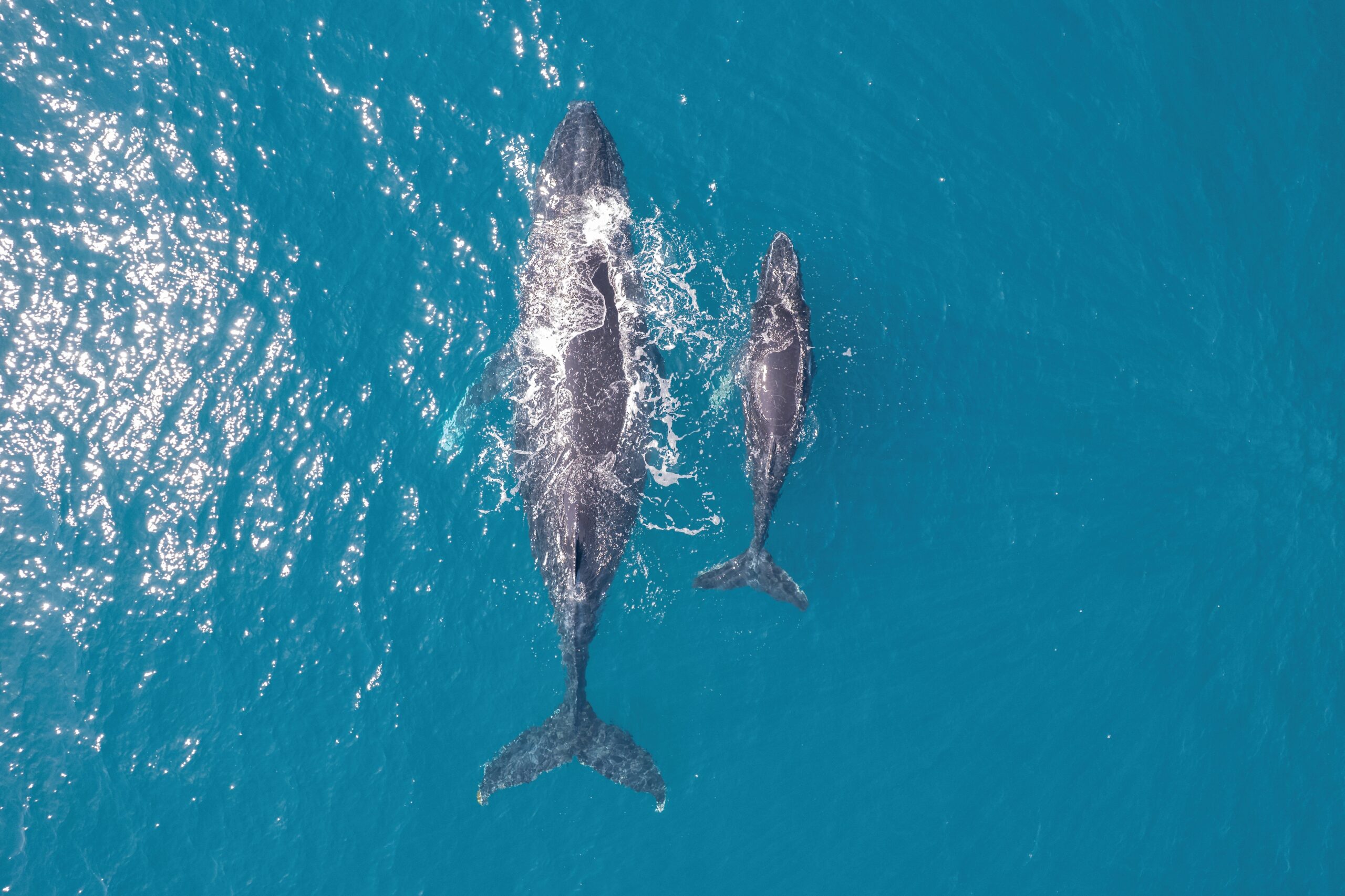
Collisions between ships and whales are a significant threat to marine biodiversity, particularly where busy shipping routes overlap with whale habitats and migration corridors.
From vessel speed restrictions and routing measures to improved lookout practices, the shipping industry has several ways to reduce these risks. But what causes whale strikes, where are protection measures in place, and what should ship operators know?
Why do collisions between ships and whales occur?
Whales travel across vast ocean areas to feed, breed and migrate, often crossing some of the world’s busiest shipping lanes. When these movements overlap with commercial vessel traffic, the risk of accidental collisions, commonly known as vessel strikes or ship strikes, increases.
According to the International Whaling Commission (IWC), collisions with vessels represent a major threat to several whale populations. Large whales are particularly vulnerable because they spend considerable time close to the surface and may have limited opportunities to avoid approaching ships.
The consequences can be severe, ranging from injuries caused by propellers to fatal blunt-force trauma. However, determining the actual scale of the problem remains challenging.
As NOAA Fisheries explains, collisions involving large commercial vessels may go unnoticed by their crews. In some cases, whales have been discovered across ships’ bulbous bows only after the vessels have arrived in port.
Research published in Science in 2024 further highlighted the global extent of this risk. By combining whale distribution data with billions of vessel positions, researchers estimated that shipping activity overlaps with approximately 92% of the geographical ranges of four widely distributed whale species. Yet fewer than 7% of identified collision-risk hotspots were covered by management measures.
What can actual incidents teach us?
Documented incidents illustrate both the consequences of vessel strikes and the difficulties involved in detecting them.
In August 2026, a deceased fin whale was discovered on the bow of a vessel arriving at the Port of Tacoma, Washington. According to a joint statement by the Washington Department of Fish and Wildlife, the animal was identified as a 67-foot adult female fin whale. Following examination, experts concluded that the whale was likely alive when the collision occurred.
Another case involved a North Atlantic right whale calf, known as Juno’s calf, which was first observed with serious vessel-strike injuries in January 2024. The animal was subsequently found dead on Cumberland Island, Georgia, in March. A post-mortem examination identified extensive injuries consistent with a vessel strike. The incident was particularly concerning because North Atlantic right whales are among the world’s most endangered large whale species.
In July 2024, a young humpback whale was also found dead near Elfin Cove, Alaska. NOAA Fisheries reported that the animal’s injuries were consistent with a fatal ship strike.
These incidents demonstrate why whale protection cannot depend exclusively on visual detection. Large whales may be difficult to identify from a vessel’s bridge, particularly at night, during poor visibility or when they remain close to the water’s surface.
How can ships reduce the risk of whale strikes?
According to the IWC, the most effective approach is to separate ships from whales wherever possible. When avoiding areas of whale concentration is impractical, reducing vessel speed and maintaining an effective lookout become particularly important.
Several measures can help reduce collision risks:
1. Adjusting vessel speed. Slower speeds provide more time for crews and whales to react and can reduce the severity of collisions. Many whale protection measures use a threshold of 10 knots, although requirements differ between regions and may be mandatory or voluntary.
2. Modifying shipping routes. Traffic separation schemes, recommended routes and Areas to Be Avoided (ATBAs) can help direct ships away from important feeding grounds, breeding areas and migration corridors.
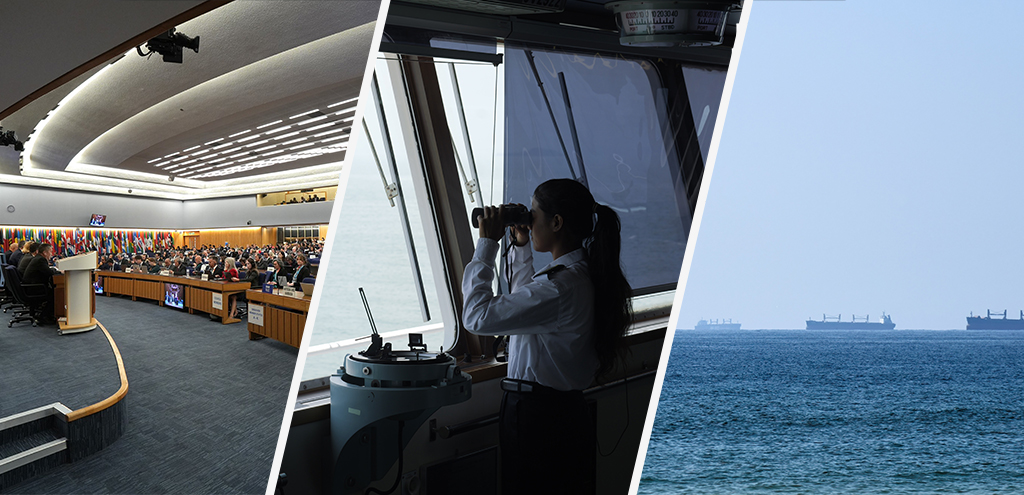
3. Maintaining an effective lookout. Bridge teams should remain alert for whale blows, dorsal fins, tails and unusual water movements, particularly in known whale habitats. Additional lookouts may be appropriate where the risk assessment identifies increased exposure.
4. Monitoring whale activity. Updated navigational warnings, whale sighting information and acoustic monitoring programmes can help crews identify areas of increased whale presence. Some authorities introduce temporary restrictions when whales are detected.
5. Reporting collisions and sightings. Depending on local requirements, vessels may need to report whale strikes or sightings to coastal authorities. Such information contributes to scientific monitoring and the development of more effective protection measures.
As Gard has highlighted, operators should ensure that crews understand precautionary measures in whale-sensitive areas and incorporate relevant information into voyage planning and onboard procedures.
Importantly, whale avoidance manoeuvres must always take account of navigational safety, including traffic conditions, vessel manoeuvrability and the requirements of the COLREGs.
Where are whale protection measures in place?
Whale protection requirements vary considerably between regions. The World Shipping Council’s Whale Chart 2026, now in its fourth edition, brings together government-issued or endorsed measures relevant to merchant shipping, including speed restrictions, routing arrangements, reporting requirements and areas to be avoided.
Some notable examples include:
Canada – Gulf of St. Lawrence
Canada operates one of the most extensive systems of whale protection measures, primarily aimed at safeguarding North Atlantic right whales.
During the 2026 season, vessels over 13 metres in length were subject to mandatory speed restrictions of 10 knots or less in designated static zones from 22 April to 15 November. Additional restrictions could be activated in dynamic shipping zones following confirmed whale detections.
The measures also include seasonal management areas, temporary restrictions communicated through Navigational Warnings (NAVWARNs), and a restricted area near Shediac Valley. The latter limits vessel entry, with specified exceptions subject to additional conditions.
In nearby Roseway Basin, vessels of 300 GT and above are recommended to avoid the designated area between 1 June and 31 December.
These arrangements demonstrate how whale protection can combine permanent seasonal restrictions with responsive measures based on whale activity.
United States – East Coast
Along the U.S. East Coast, most vessels measuring 65 feet or more must travel at 10 knots or less within designated Seasonal Management Areas during specified periods to protect North Atlantic right whales.
NOAA Fisheries also operates voluntary Dynamic Management Areas and Right Whale Slow Zones, where mariners are encouraged to avoid the area or reduce speed following whale detections.
Mediterranean Sea – A Particularly Sensitive Sea Area
In 2023, the International Maritime Organization designated the North-Western Mediterranean Sea as a Particularly Sensitive Sea Area (PSSA), recognising the importance of protecting cetaceans from international shipping.
Covering waters associated with France, Italy, Monaco and Spain, the area includes the Pelagos Sanctuary and the Spanish Mediterranean Cetacean Migration Corridor.
The WSC Whale Chart identifies voluntary measures for commercial vessels and pleasure yachts of 300 GT and above, including enhanced lookout practices, maintaining distance from cetaceans, reporting sightings and collisions, and recommended speeds of 10–13 knots.
These measures aim to improve the protection of fin whales, sperm whales and Cuvier’s beaked whales.
Did you know?
A 2019 study estimated that modest route adjustments in the Hellenic Trench could reduce sperm whale collision risk by around 70% in the study area.
Greece – The Hellenic Trench
The Hellenic Trench, extending along parts of western Greece, including the waters west of the Peloponnese and Crete, represents an important habitat for sperm whales.
A 2019 scientific study examined the overlap between shipping traffic and sperm whale habitats in the region. Researchers estimated that relatively small offshore adjustments to major shipping routes could reduce overall collision risk in the study area by approximately 70%, while adding limited distances to most voyages.
The WSC Whale Chart identifies voluntary, year-round lookout measures in the Hellenic Trench, referencing relevant Hellenic Notices to Mariners.
The example highlights the potential value of route planning in reducing environmental impacts without necessarily requiring extensive changes to shipping operations.
What role does voyage planning play?
Protecting whales should begin before a vessel enters a sensitive area.
Ship operators can incorporate whale protection information into voyage planning by identifying relevant conservation zones, reviewing mandatory and voluntary measures, checking seasonal restrictions and consulting updated navigational warnings.
The WSC’s digital Whale Chart provides a searchable resource through which operators can examine geographical coverage, applicable measures, seasonal periods and supporting official information.
However, the chart is intended as a planning aid and does not replace official navigational information or applicable local regulations.
The importance of preparation also extends to the ship’s Safety Management System. As the Australian Maritime Safety Authority advises, operators should assess collision risks when navigating areas where marine fauna are likely to be present and establish appropriate operational controls.
Whale protection and sustainable shipping
Beyond physical collisions, shipping can affect whales through underwater radiated noise, which may interfere with their communication and behaviour.
The IMO has developed guidelines aimed at reducing underwater noise from commercial shipping, while ship speed management, technical improvements and operational practices can contribute to mitigating its effects.
Protecting whales also aligns with the United Nations’ Sustainable Development Goal 14 – Life Below Water, which seeks to conserve and sustainably use the oceans, seas and marine resources.
In particular, SDG Target 14.2 calls for the sustainable management and protection of marine and coastal ecosystems to prevent significant adverse impacts.
For shipping, reducing vessel strikes and other harmful interactions with marine wildlife is one practical contribution towards this wider objective.
As commercial shipping continues to operate across shared ocean spaces, effective whale protection depends on understanding where risks exist and incorporating appropriate precautions into everyday operations.
In essence, preventing whale strikes starts long before a whale is sighted: it begins with informed voyage planning, awareness of local protection measures and responsible navigation.
Content Original Link:
" target="_blank">