












China has renewed its proposal for incentives to encourage the use of zero- and near-zero-emission (ZNZ) marine fuels, warning that
China has renewed its proposal for incentives to encourage the use of zero- and near-zero-emission (ZNZ) marine fuels, warning that higher costs could slow their adoption without additional support under the IMO Net-Zero Framework.
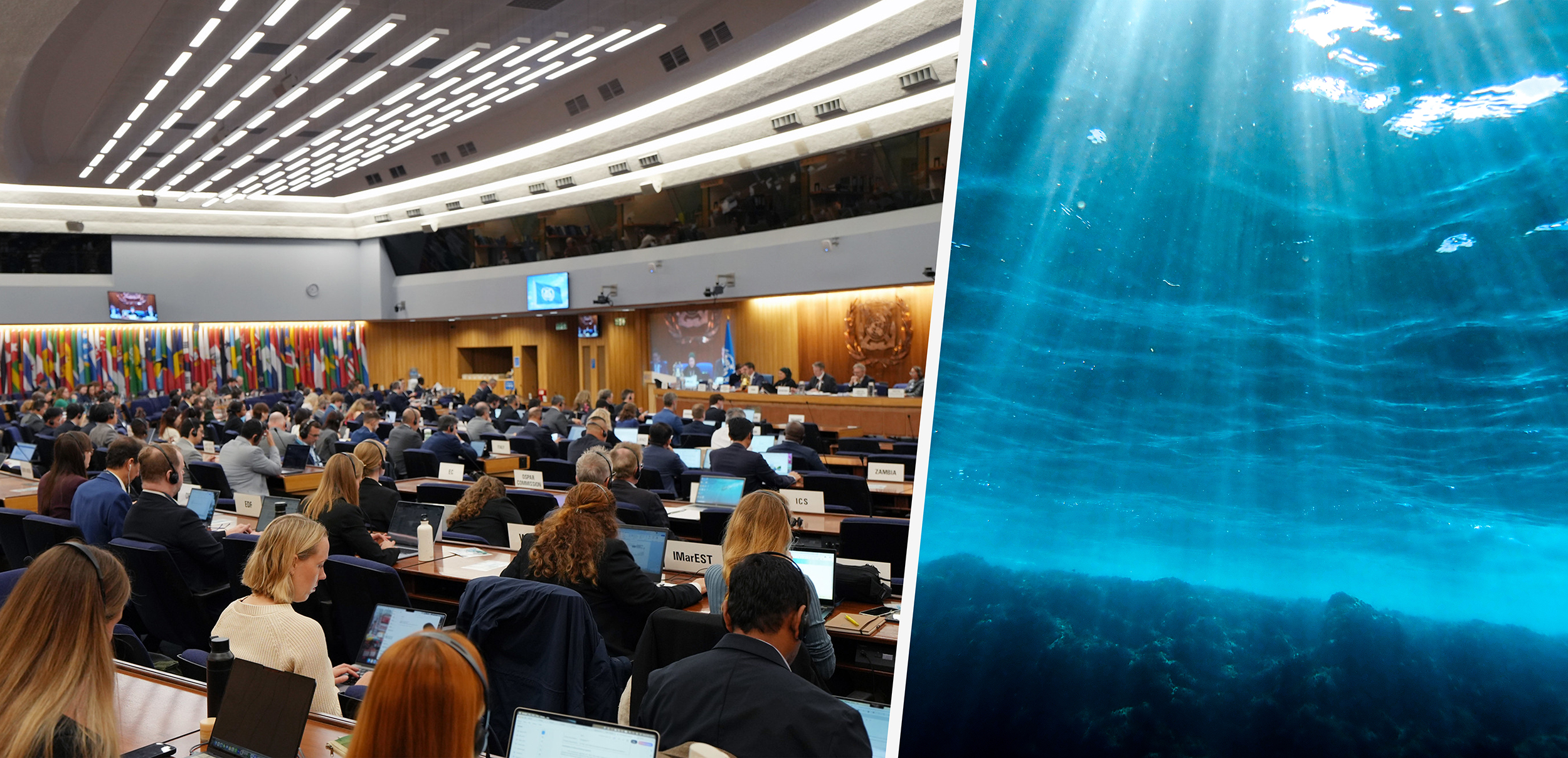
In a submission to the International Maritime Organization (IMO), China outlined how proposed fuel multipliers could make cleaner fuels more competitive with conventional alternatives. The document, ISWG-GHG 23/3/3, will be considered at the 23rd Intersessional Working Group on Reduction of GHG Emissions from Ships (ISWG-GHG 23), scheduled for 23–27 November 2026.
How the proposed incentives would work
Under China’s proposal, eligible ZNZ fuels would receive additional credit when calculating a vessel’s compliance with IMO greenhouse gas intensity targets. In practice, the multiplier would allow ships using these fuels to receive greater recognition for their consumption, making it easier to meet emissions requirements and potentially reducing compliance costs.
China argues that such an approach could help overcome the price difference between ZNZ fuels and more established alternatives, particularly while production remains limited and costs are relatively high.
The submission proposes indicative multipliers that would gradually decrease from 1.95 in 2029 to 1.10 in 2035, reflecting an expected narrowing of the price gap between ZNZ fuels and biodiesel.
Incentives could also increase actual emissions
However, China’s analysis acknowledges an important trade-off: although multipliers could make ZNZ fuels more financially attractive, they would not necessarily deliver greater reductions in actual greenhouse gas emissions.
According to the submission, ships using ZNZ fuels with the proposed multipliers could produce 2.7% to 8.2% more actual well-to-wake emissions in individual years than vessels using a reference combination of conventional fuel and biodiesel without multipliers.
This is because the multiplier would allow ships to meet the same regulatory target while using a smaller proportion of alternative fuel and retaining more conventional fuel in their energy mix.
The analysis also found that increasing multipliers beyond the level needed to achieve cost parity could further reduce operating and compliance costs, but could lead to higher actual emissions.
China urges balanced approach
China maintains that the cost disadvantage of ZNZ fuels could discourage their adoption and slow shipping’s transition to lower-emission energy sources if multipliers or other incentives are not introduced.
At the same time, the submission stresses that any incentive mechanism should balance the need to encourage ZNZ fuel uptake with the objective of achieving actual emissions reductions.
China therefore recommends that multiplier levels be reviewed against changing fuel prices, emissions performance and compliance requirements, while avoiding excessive incentives that could distort the market. The proposal will form part of the IMO’s ongoing discussions on how to support the adoption of alternative marine fuels under its proposed mid-term greenhouse gas reduction measures.
Content Original Link:
" target="_blank">