







South Korea’s Ulsan Port has completed a commercial green ammonia bunkering demonstration, supplying approximately 800 tonnes of fuel to the
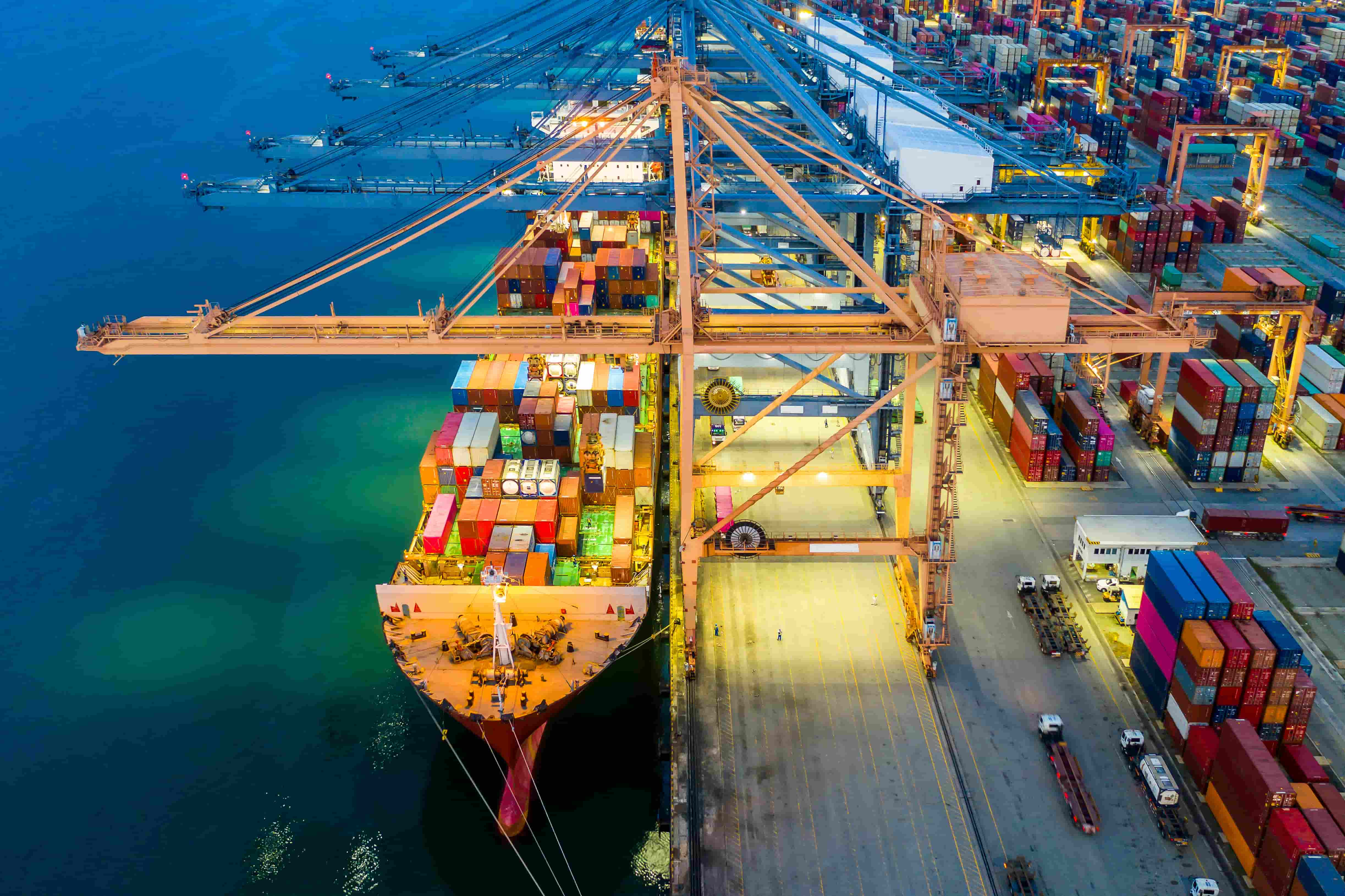
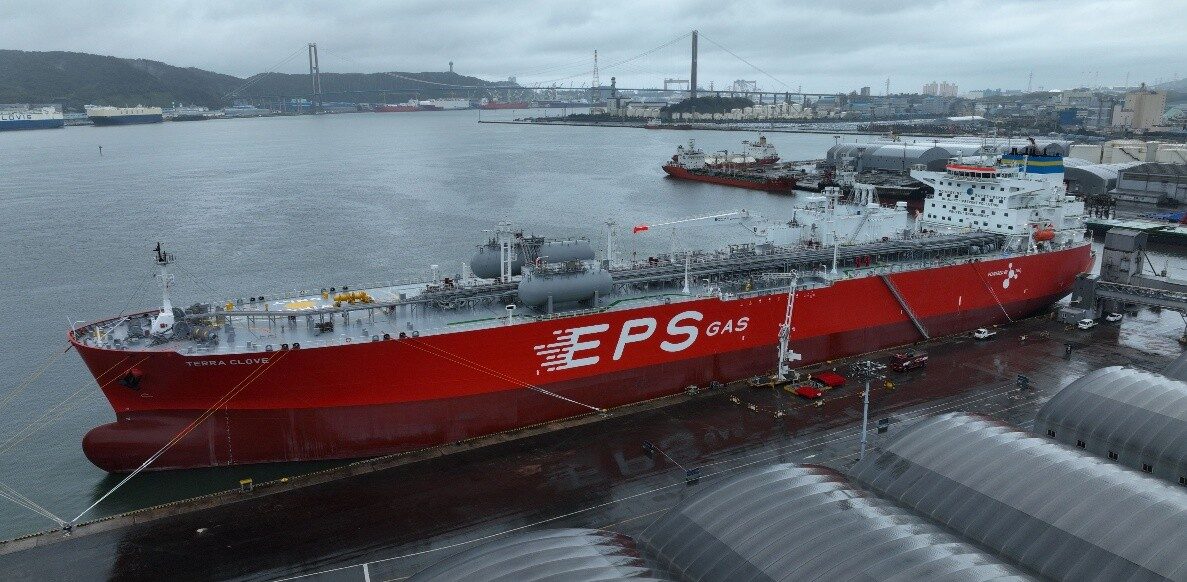
South Korea’s Ulsan Port has completed a commercial green ammonia bunkering demonstration, supplying approximately 800 tonnes of fuel to the ammonia dual-fuel very large ammonia carrier (VLAC) Terra Clove.
According to the Ulsan Port Authority (UPA), the operation took place on October 25–26, 2026, at Pier 2 of Ulsan Main Port and represents the country’s first demonstration of commercial ammonia marine fuel supply at a port. The 93,000-cubic-meter Terra Clove, owned by Eastern Pacific Shipping (EPS) and built by HD Hyundai Heavy Industries, was named during a ceremony in Ulsan on October 22. The vessel is designed to transport ammonia as cargo while also using it as fuel, retaining the flexibility to operate on conventional marine fuels.
The fuel transfer was carried out using the pipe-to-ship (PTS) bunkering method, with green ammonia supplied directly from shore-based facilities to the vessel through a pipeline.
The operation involved UPA, EPS, HD Hyundai Heavy Industries and LOTTE Fine Chemical, which supplied the fuel, alongside Shinheung, which supported on-site management.
The latest operation builds on Ulsan Port’s first PTS ammonia bunkering demonstration in April 2026, when approximately 600 tonnes of ammonia were supplied to a 45,000-cubic-meter gas carrier. According to UPA, the port has now conducted four ammonia fuel supply demonstrations, including operations supporting vessel trials.
Ammonia bunkering gains momentum
The development comes as ammonia bunkering activities gain momentum internationally. On November 2, Australia completed its first green ammonia bunkering operation at Port Hedland, transferring fuel to an ammonia-powered dry bulk carrier through a ship-to-ship operation. Similarly, in September, Japan completed its first ship-to-ship ammonia bunkering operation.
These developments highlight progress in testing different ammonia bunkering methods as ports and shipping companies prepare for the introduction of ammonia-fueled vessels.
However, the expansion of ammonia bunkering requires appropriate safety infrastructure, operational procedures and trained personnel to manage the fuel’s toxicity and associated handling risks. In this context, new IMO safety guidelines approved in May 2026 provide a framework for addressing ammonia-related hazards onboard gas carriers.
Despite recent progress, ammonia bunkering infrastructure remains limited. A Lloyd’s Register analysis published in November 2026 identified a growing mismatch between alternative-fuel vessel investment and the availability of suitable bunkering infrastructure, emphasizing the challenges facing the commercial deployment of ammonia-powered shipping.
UPA intends to build on its experience to further develop the infrastructure and operational framework required for regular commercial ammonia bunkering services at Ulsan Port.
Content Original Link:
" target="_blank">