










The U.S. Coast Guard is concluding its scheduled 2026 seasonal evaluation of six Saildrone Voyager Unmanned Surface Vehicles (USVs) on the Great Lakes this week ahead of forecasted winter icing conditions. Following
The U.S. Coast Guard is concluding its scheduled 2026 seasonal evaluation of six Saildrone Voyager Unmanned Surface Vehicles (USVs) on the Great Lakes this week ahead of forecasted winter icing conditions. Following the completion of this seasonal evaluation, the Coast Guard intends to conduct an additional test and evaluation period in the spring of 2027 as part of a service-wide effort to evaluate how autonomous technologies enhance Coast Guard missions and assist operators.
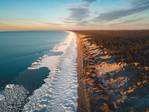
Deployed between April and November 2026 across the Great Lakes, the six 33-foot, wind- and solar-powered vessels provided Coast Guard command centers and boat stations with real-time offshore weather data and operational insight across thousands of square miles of open water.
Rather than replacing Coast Guard personnel, autonomous surface vessels act as force multipliers that assist in Coast Guard mission execution so cutters, boats, and aircraft can focus on high-priority lifesaving and law enforcement missions:
- Real-Time Weather and Wave Forecasting for Search and Rescue: Weather on the Great Lakes can turn dangerous in minutes. By measuring wind speed, wave height, water temperature, and barometric pressure out on open water, these floating sensors tell Coast Guard rescue crews what conditions a stranded boater or capsized kayaker is facing
Content Original Link:
" target="_blank">