











Saudi Arabia Confirms Strike on East-West Pipeline
Saudi Arabia's energy ministry has confirmed another strike on the East-West Pipeline, which carries crude from the production hubs of the Arabian Gulf coast to export and refining centers on the Red Sea.
In a statement, the ministry said that the pipeline was targeted on Monday morning, and that the damage resulted in a "limited fire," which has since been put out. No injuries or fatalities were reported, and the ministry claims that the pipeline's operations were not disrupted.
Saudi Aramco is known to maintain large stockpiles of spare equipment for rapid pipeline repairs, and it achieved a swift return to service after the last major round of Houthi attacks on the East-West Pipeline. After that incident, partial service on the line was restored within days, thanks to a newly-built bypass pipeline to circumvent damaged infrastructure.
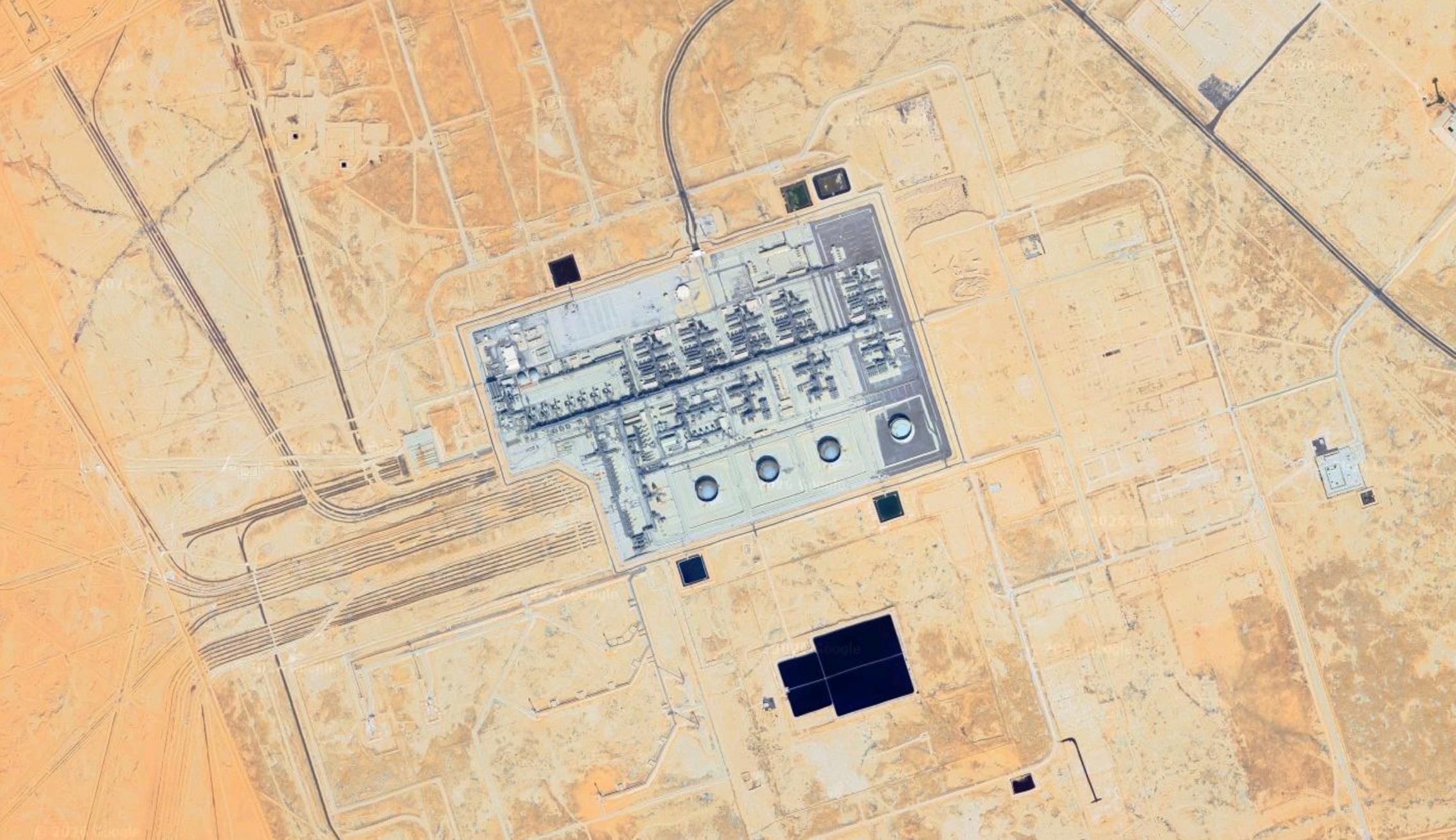
Satellite imaging obtained on November 8 appeared to show damage at the No. 8 pumping station on the East-West Pipeline. NASA FIRMS satellite sensing also picked up heat signatures at several points along the pipeline route, consistent with either a fire or flaring activity. Official Saudi sources have not confirmed the specifics of the attack, nor have they named a perpetrator; Yemen's Houthi rebels have not yet claimed responsibility, but have frequently attacked the line and other Saudi petroleum targets in recent weeks.
The strike came at about the same time as a long-range attack on Saudi Aramco's office tower in Riyadh, the control center for the nation's most important industry. No one was injured in the attack, but several floors of the office complex were damaged.

that matters most
Get the latest maritime news delivered to your inbox daily.
The East-West Pipeline is Saudi Arabia's only major bypass route to export oil without using the Strait of Hormuz. Its value became apparent from the outset of the U.S.-Israel-Iran conflict in late February when Iran's forces began to shut down the strait to shipping; Saudi Aramco responded by boosting total crude transport rates through the pipeline and increasing the pace of its loading program at Yanbu, mitigating some of the effects of the Hormuz shipping restrictions.
Markets were unfazed by the news of the latest attacks: crude traded sharply down over the course of the past week, reaching $92 per barrel by Monday night - down from $117 on the eve of the U.S. midterm elections.
Content Original Link:
" target="_blank">