











As the conflict between the United States and Iran continues its seemingly never-ending dance between smolder and blaze, the prolonged closure of the Strait of Hormuz has captured the attention of maritime
As the conflict between the United States and Iran continues its seemingly never-ending dance between smolder and blaze, the prolonged closure of the Strait of Hormuz has captured the attention of maritime businesses seeking relief from the current turmoil and insight into the next geopolitical upheaval. Assuming current trends continue, international relations also appear to be moving toward more protectionist, nation-focused trade policies and away from the previous paradigm of globalism.
Maritime businesses and insurers should familiarize themselves with the world’s major chokepoints and prepare for potential disruptions or blockages.
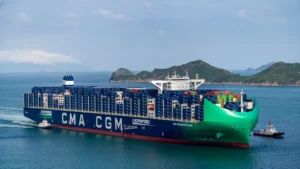
The U.S. Energy Information Administration defines maritime chokepoints as “narrow channels along widely used global sea routes.” The Strait of Hormuz, a narrow passage between Iran and the Omani Musandam Peninsula, has caused considerable and intractable economic hardship because it is among a small group of major chokepoints with no practical alternative route.
The second Trump administration has taken steps to reestablish U.S. influence over the Panama Canal, North America’s infamous manmade chokepoint. Questions have also emerged about the stability of the Strait of Gibraltar, the passage separating Spain and Morocco that connects the Atlantic Ocean and the Mediterranean Sea. In Southeast Asia, the Straits of Malacca and Taiwan
Content Original Link:
" target="_blank">