











The disruption caused by the Iran war is forcing the energy industry to rethink its just-in-time approach to efficient supply chains and to consider investing in alternative routes which bypass the Gulf
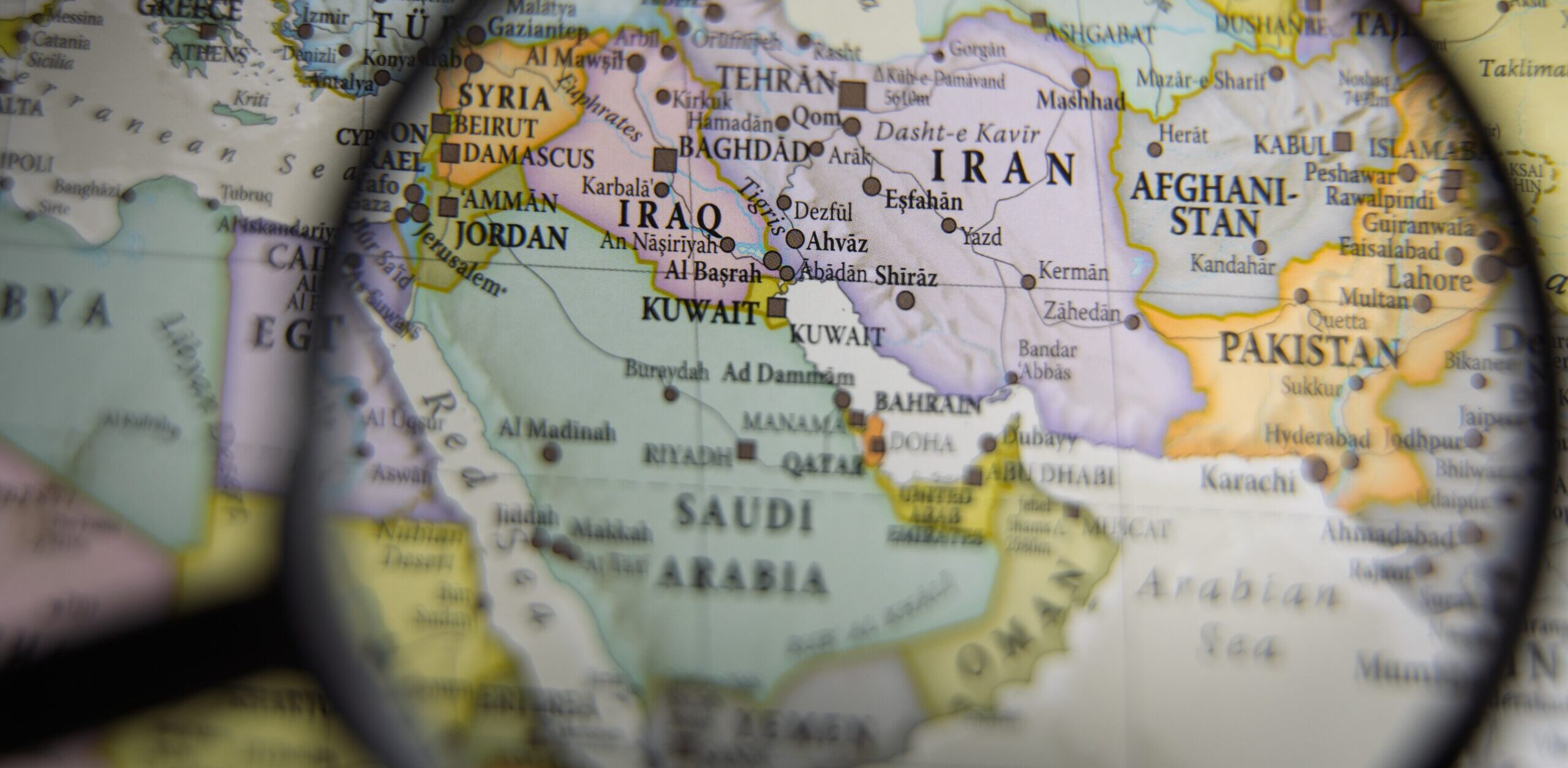
The disruption caused by the Iran war is forcing the energy industry to rethink its just-in-time approach to efficient supply chains and to consider investing in alternative routes which bypass the Gulf and the Red Sea.
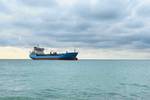
Attacks on shipping around the Strait of Hormuz and the Bab el-Mandeb Strait have cut energy exports, boosting prices and inflation globally.
"The biggest lesson of the crisis is that we need not only to think to produce but also to export," said TotalEnergies CEO Patrick Pouyanne adding the industry needed to move from a just-in-time to a just-in-case mindset.
He reiterated Total's plans to participate in an Iraq-to-Syria pipeline and invest in doubling capacity for a pipeline system into the UAE port of Fujairah to bypass Hormuz.
"It's obvious to me that I need to participate in this infrastructure," Pouyanne said.
BP's redevelopment of the Kirkuk oilfield alongside ConocoPhillips and Turkey's state-owned TPAO has opened the option of new northern export routes, BP CEO Meg O'Neill said.
"We know the Iraqi government is working very hard on alternative export routes," O'Neill said. She wasn’t sure, however, that would be a good use of BP shareholder money but said it might be a good
Content Original Link:
" target="_blank">