










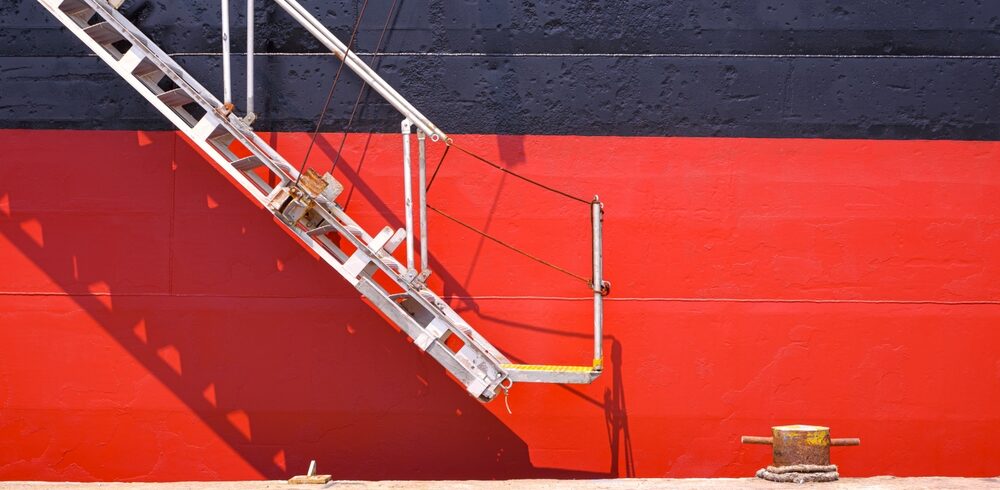
Securing the ship in port and at anchor: Beyond the gangway
A ship alongside or at anchor may appear to be in a relatively controlled/secured environment, but this is often when it is most accessible.
Gangways, mooring arrangements, anchor equipment, store operations, contractors, stevedores and small craft operating nearby can all create opportunities for unauthorized access. IMB data show that anchored vessels remain an important target: 16 of the 38 piracy/armed-robbery incidents reported in the first half of 2026 involved vessels at anchor.
The purpose of an intruder may be simple theft, but it may also involve placing or removing drugs or contraband, hiding onboard as a stowaway, collecting information, or preparing for further criminal/terrorist activity. The first objective of shipboard security should therefore be simple: detect unauthorized access before the intruder can achieve the intended objective.
In port, the gangway normally receives most of the security attention. However, unauthorized persons may use other means to board the vessel, particularly during darkness or periods of intense cargo activity.
At anchor, the threat is different. Small craft can approach from areas that may not be easily observed from the bridge or deck. Intruders may climb mooring or access arrangements, use ropes and hooks, or exploit the anchor chain and hawsepipe. Low freeboard areas, stern arrangements and openings close to the waterline may also provide possible access.
A real incident in Batangas Anchorage, Philippines, in September 2025 demonstrates the risk. Two armed robbers were discovered onboard the anchored LNG tanker. CCTV later showed that they had gained access to the vessel through the anchor hawsepipe. Ship’s property was stolen.
The incident is a useful reminder that securing the gangway alone does not mean that the vessel is secure. The risk continues in 2026. Manila Anchorage, for example, recorded eight boardings during the first half of the year, compared with none during the same period in 2025. In several incidents, perpetrators were armed with guns or knives.
Preparing against unauthorized access
Before arrival or anchoring, the Master and SSO should consider the local security situation and identify the parts of the vessel that may be vulnerable to unauthorized boarding. Security measures should then be adjusted to the actual conditions.
Basic precautions should include:
- Maintain effective gangway control and verify all persons boarding and leaving the vessel.
- Keep unused external doors, accesses and restricted spaces secured/locked.
- Maintain adequate lighting of access areas and exposed decks during darkness.
- Increase deck/security rounds where the local threat requires it.
- Include the forecastle, poop deck, mooring areas and anchor arrangements in security rounds.
- Maintain a lookout for small craft remaining unnecessarily close to the vessel.
- Control contractors, visitors, stevedores and other shore personnel while onboard.
- Check vulnerable spaces after completion of cargo, stores, repair or other operations involving shore personnel.
- Ensure alarms, communications and CCTV, where fitted, are operational.
- Brief the crew on the local threat and require any suspicious activity to be reported immediately.
Security measures should not become predictable. If rounds are always conducted at exactly the same time and along the same route, they become easier to avoid. Particular attention is required during crew change, stores delivery, bunkering, cargo operations and other periods when many individuals (other than crew), are moving around and on board the vessel.
Actions in case of Intruder Identification
Discovering an unauthorized person onboard does not mean that the crew should immediately attempt to physically confront or capture him. The intruder may be armed, may not be alone, and his intentions may be unknown. The crew member making the discovery should raise the alarm and inform the bridge / Master immediately, while maintaining a safe distance whenever possible.
The Master should initiate the appropriate shipboard security response, account for the crew and notify the port, terminal, VTS, local authorities and company as appropriate. An effective Ship Security Plan should provide action guidance during these cases.
If the intruder escapes, crew members should not expose themselves to unnecessary danger by pursuing him. A controlled search of the vessel should be carried out when safe to establish whether other unauthorized persons remain onboard.
After the immediate threat has ended:
- Account for all crew members and identify any injuries.
- Determine whether anything has been stolen, moved, damaged or left onboard.
- Preserve CCTV recordings and other possible evidence.
- Avoid unnecessarily touching suspicious objects or areas involved in the incident.
- Record the time, location, description and actions of the intruder where possible.
- Report the incident through the required channels.
- Conduct a security search before departure when appropriate.
- Review how access was gained and correct the weakness before continuing operations.
The response should always place crew safety before the protection of property. Gangway control remains essential, but it is only one part of access control. An intruder will normally look for the easiest and least observed route onto the vessel.
Effective security in port and at anchor therefore requires a 360-degree view of the ship: gangway, deck, waterside, forecastle, stern, anchor arrangements and every other practical route by which somebody may gain access. The main objective for such cases is: control legitimate access, watch the areas where access should not occur, detect intrusion early and never place crew members at unnecessary risk simply to protect property.
Content Original Link:
" target="_blank">