










When a ship completes a voyage, the total
When a ship completes a voyage, the total emissions are calculated, and under the EU ETS, the ship needs to surrender allowances. The allowances have a price tag that needs to be paid, but who pays the cost? The Owner or the Charterer?
Unlike intensity regimes such as FuelEU Maritime, where vessels aim to meet a performance-based target, the ETS is a strict cap-and-trade system: there is no baseline to comply with, only allowances that must be purchased and surrendered for every tonne emitted.
Even when operational data is undisputed and emissions are fully reported, a vessel can swiftly become embroiled in a contractual standoff over who actually pays for those surrendered allowances.
This friction comes directly from practical enforceability and cost-allocation gaps present in charterparty terms. With the UK ETS expanding to maritime transport alongside the EU ETS framework, operators face overlapping surrender timetables and duplicate administrative burdens.
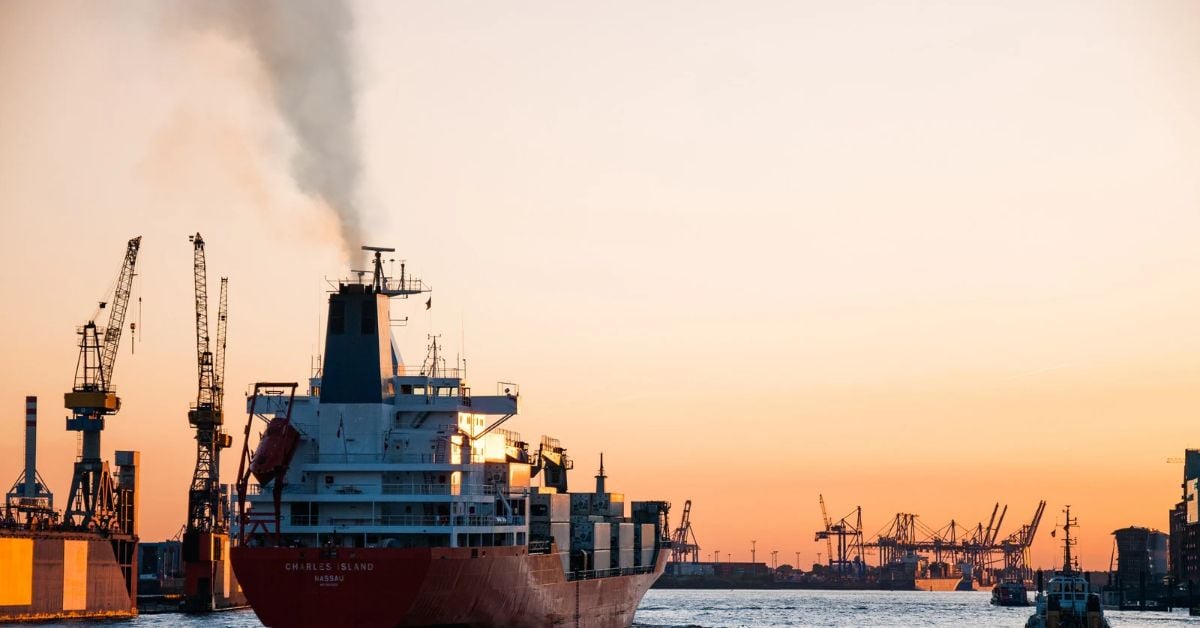
Owners and charterers must ensure their charterparty agreements explicitly allocate carbon liability, reporting obligations, and financial settlement mechanisms
Content Original Link:
" target="_blank">