









Everybody in the shipping sector is talking about how automation
Everybody in the shipping sector is talking about how automation and AI are helping achieve faster turnaround times at ports, increasing efficiency, boosting overall performance, reducing errors, and a lot of case studies and news pieces are being published supporting the same.
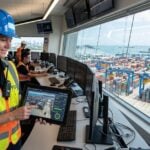
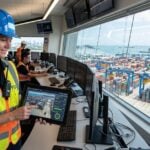
Everything is true, as we already outlined in the previous article (The $6.9 Billion Cost of Non-Automated Port Operations: Why Delays Are Becoming More Expensive). However, one thing which most stakeholders might overlook is the training that port workers and staff need to work efficiently with the new terminal operating systems. What good is AI or a new technology if those using it do not know how to operate it to its full potential?
Stakeholders or decision-makers often resist the change to automated operations at their ports or terminals simply because they might be confused as to how to go about it, what to tell the workers, how to convince them of a new mode of operation, and how to secure approvals from management without dragging the case for too long.
Automation does not mean fewer staff; it just changes the kind of workers you need.
One might
Content Original Link:
" target="_blank">