











South Korea is expanding financial support for ice-capable vessels as part of its wider push to develop commercial shipping along
South Korea is expanding financial support for ice-capable vessels as part of its wider push to develop commercial shipping along the Northern Sea Route.
The Korea Ocean Business Corporation (KOBC) has introduced a new investment programme providing KRW 120 billion annually to support South Korean shipping companies acquiring icebreakers and ice-class vessels for Arctic operations.
The move adds to South Korea’s broader efforts to build an Arctic-capable fleet and gain operational experience in polar waters.
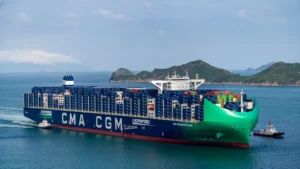
Earlier this year, the country launched its first container ship trial voyage through the Northern Sea Route. The 2,758-TEU PanStar Acro departed Busan in August on a government-backed voyage designed to assess the technical, environmental and commercial feasibility of Arctic container shipping.
According to South Korea’s Ministry of Oceans and Fisheries, the trial is intended to gather data on voyage duration, fuel consumption, operating costs and cargo demand. The Master and navigation officers received specialist polar-navigation training, while additional emergency-response and communications arrangements were put in place for the voyage.
The latest financing initiative is significant because access to suitable tonnage remains a key practical barrier to expanding Arctic shipping. Ice-class vessels require additional investment, while operators must also manage the safety, environmental and operational challenges associated with polar navigation.
The IMO Polar Code sets specific requirements for ships operating in polar waters, covering ship design, equipment, navigation, voyage planning, crew training, lifesaving arrangements and pollution prevention.
South Korea’s latest measures indicate that its Arctic strategy is moving beyond route testing towards developing the fleet and financial support needed for more regular operations.
Whether such services can become commercially viable will still depend on cargo demand, schedule reliability, operating costs and the ability to manage the additional risks associated with Arctic navigation.
Content Original Link:
" target="_blank">