










The US House of Representatives has voted to disapprove a federal decision authorising California’s emissions requirements for ocean-going vessels at
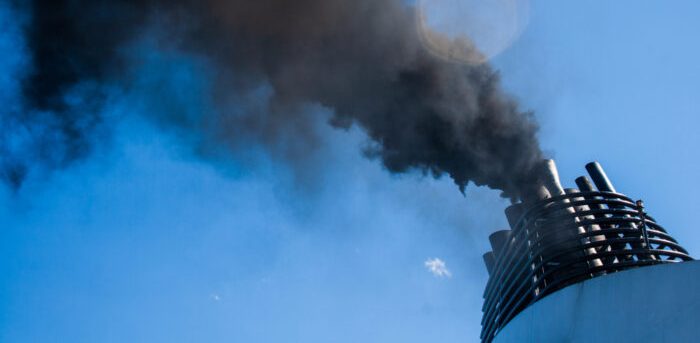
The US House of Representatives has voted to disapprove a federal decision authorising California’s emissions requirements for ocean-going vessels at berth, introducing fresh uncertainty over the regulatory framework applying to ships calling at the state’s ports.
According to the official US House Clerk record, H.J. Res. 210 passed the House on 15 September by 216 votes to 211. The resolution targets the US Environmental Protection Agency’s 2023 decision relating to California’s Ocean-Going Vessels At-Berth regulation.
If enacted, the resolution would disapprove the EPA action under the Congressional Review Act. The measure would still need to complete the remaining legislative process before taking effect.
What does California require?
The California Air Resources Board (CARB) says its 2020 At-Berth Regulation is intended to reduce emissions from ocean-going vessels while they are docked at California ports.
The requirements do not mandate shore power as the only compliance option. According to CARB, regulated vessel visits must use a CARB Approved Emission Control Strategy, which can include shore power or approved emissions capture and control technologies, unless an exception or alternative compliance pathway applies.
Implementation has been phased by vessel type:
- container, refrigerated cargo and cruise vessels have been subject to the emissions-control requirements since 2023;
- roll-on/roll-off vessels and tankers calling at regulated terminals in Los Angeles and Long Beach were added in 2025;
- tanker requirements are scheduled to extend to all regulated terminals from 1 January 2027.
- CARB states that the regulation builds on California’s earlier at-berth requirements and seeks to reduce exposure to air pollution in communities located close to ports.
Why is the rule being challenged?
EPA originally granted California authorisation for the updated At-Berth Regulation in October 2023.
In July 2026, however, EPA transmitted the authorisation to Congress for review under the Congressional Review Act. EPA argued that the waiver should have previously been submitted to Congress and said the requirements could increase costs for shipping and place additional demands on port infrastructure and supply chains.
California disputes that assessment. Following the House vote, the state government defended the at-berth requirements on public-health grounds and cited state analysis estimating that the 2020 measures could reduce potential cancer risks in communities around ports and deliver significant health benefits.
For shipowners and operators calling at California ports, the immediate regulatory requirements remain important while the congressional process continues. The development nevertheless introduces uncertainty ahead of the next scheduled expansion of the rules to tanker calls in 2027.
Debate over the rule
The House vote has highlighted opposing views over the costs, benefits and regulatory reach of California’s at-berth requirements.
Campaign group Pacific Environment, which opposes the congressional resolutions, says the measures support investments already made in cleaner port infrastructure. According to Pacific Environment, California ports have invested more than $550 million in shore power and related electrification infrastructure at Los Angeles, Long Beach, Oakland and San Diego.
The group argues that overturning the waiver could put existing investments at risk and undermine efforts to reduce pollution around port communities.
Pacific Environment also maintains that Clean Air Act waivers have historically been treated as adjudicatory decisions rather than federal rules and therefore should not fall under the Congressional Review Act.
Supporters of the repeal take a different position. A coalition of organisations led by the American Energy Alliance urged Congress to approve the resolutions, arguing that California’s waiver authority should not allow the state to effectively determine national requirements affecting vessels, port operations and supply chains beyond its borders.
The coalition said the At-Berth and Commercial Harbor Craft waivers affect ports handling a significant share of US imports and argued that national regulatory policy should ultimately be determined at federal level.
The competing positions reflect a wider debate over how emissions reductions at ports should be balanced against infrastructure costs, operational requirements and the regulatory reach of individual states.
Content Original Link:
" target="_blank">