











The global fleet of dual-fuel container ships and vehicle carriers has surpassed 500 vessels, with investments exceeding $200 billion, according
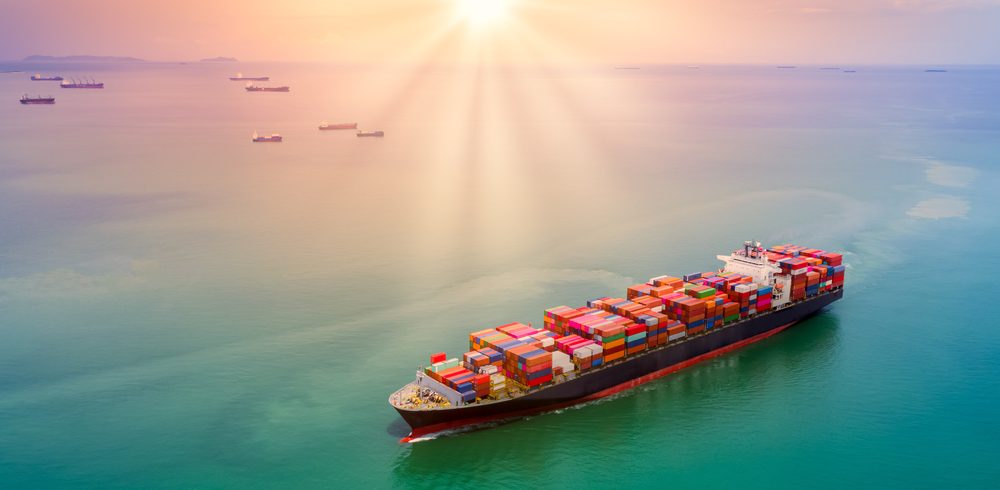
The global fleet of dual-fuel container ships and vehicle carriers has surpassed 500 vessels, with investments exceeding $200 billion, according to the World Shipping Council (WSC), which warns that uncertainty over global emissions regulation and alternative fuel availability could affect shipping’s energy transition.
According to the latest WSC Dual-Fuel Fleet Dashboard, 503 dual-fuel vessels were operating worldwide as of September 2026, representing a 41% increase from 358 vessels during the same period in 2025.
A further 849 vessels are on order, bringing the combined number of dual-fuel container ships and vehicle carriers delivered or under construction to 1,352. Total investment in these vessels, including both deliveries and orders, has exceeded $200 billion.

The figures reflect the growing adoption of vessels capable of operating on conventional marine fuels and alternative fuels, although actual emissions reductions will depend on the availability and use of lower-emission energy sources.
Dual-fuel vessels account for majority of new orders
The WSC data indicates that dual-fuel capability remains a significant feature of newbuilding investment, particularly in the container ship and vehicle carrier segments.
Measured by deadweight tonnage, dual-fuel vessels account for:
- 97% of vehicle carrier orders, highlighting the widespread adoption of alternative-fuel-capable designs in this segment.
- 65% of container ship orders, indicating continued investment in fuel flexibility.
- 23% of orders across the rest of the global shipping fleet, demonstrating the difference in adoption rates between shipping sectors.
However, WSC notes that orders for conventionally fueled vessels have also increased compared with a year earlier, as the overall newbuilding orderbook expands.
The latest figures suggest that while alternative-fuel capability is becoming increasingly common in new ship designs, investment patterns remain sensitive to fuel costs, infrastructure development and regulatory uncertainty.
Fuel availability remains a challenge
Despite the scale of investment, WSC emphasizes that dual-fuel capability alone does not guarantee emissions reductions. The environmental performance of these vessels depends on the fuels used during operations, including their greenhouse gas intensity and availability.
The container ship and vehicle carrier industry have committed more than $200 billion to ships that can run on cleaner fuels, with more than 500 already sailing and hundreds more on the way. The investment is happening, but these ships need commercially competitive alternative fuels to deliver their full potential to reduce emissions.
…said Joe Kramek, President & CEO of the World Shipping Council.
The growing dual-fuel fleet therefore places additional importance on developing alternative fuel production, bunkering infrastructure and reliable supply chains.
For shipowners, the challenge extends beyond ordering vessels capable of using cleaner fuels to ensuring that suitable fuels can be sourced commercially throughout their operating lives.
IMO regulatory uncertainty affects investment decisions
WSC also highlights continued uncertainty surrounding global greenhouse gas regulation at the International Maritime Organization (IMO), arguing that clear international rules are necessary to support long-term investment in alternative fuels and infrastructure.
According to the organization, the absence of a global framework risks creating a fragmented regulatory environment, with different regional emissions requirements potentially increasing compliance costs and operational complexity.
WSC supports an IMO greenhouse gas measure aligned with the organization’s 2023 GHG Strategy, including provisions intended to reduce the cost difference between conventional marine fuels and renewable or near-zero-emission alternatives.
“Ships ordered today will be operating for decades. Shipping companies and fuel producers need certainty to make the investments that will shape the future fleet and its fuel supply,” Kramek said.
The organization argues that further delays in establishing global regulatory measures could prolong uncertainty for shipowners and fuel suppliers, affecting investment decisions across the maritime value chain.
The latest WSC figures highlight the considerable investment already committed to alternative-fuel-capable tonnage. However, translating this fleet expansion into measurable emissions reductions will depend on fuel availability, infrastructure development and the regulatory conditions governing their use.
Content Original Link:
" target="_blank">