











A new approach to tackling the marine conservation problem of "ghost gear" is gaining acceptance in Canada, creating new permitting pathways for coastal developments while helping to restore marine habitats."Ghost gear" refers
A new approach to tackling the marine conservation problem of "ghost gear" is gaining acceptance in Canada, creating new permitting pathways for coastal developments while helping to restore marine habitats.
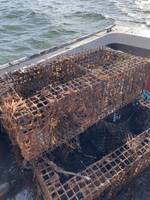
"Ghost gear" refers to abandoned, lost or discarded fishing gear (such as nets and lobster traps) that persists in the environment for years, killing marine life and damaging the environment. Each year, more than 25 million fishing pots and traps are estimated to be lost globally, contributing to the broader marine plastic pollution problem, which contributes to the $13 billion in financial damage to marine ecosystems annually, including fish habitat damage, reduced fishery stocks, vessel damage and eco-tourism impacts.
A new private-sector driven solution for ghost gear emerged when a client approached GHD seeking a permitting solution that would "offset" lost marine fisheries habitat with one of equivalent or greater ecological value. However, there were few suitable marine offsetting options. Instead, GHD proposed a new offsetting pathway: removing ghost gear to create measurable ecological benefits that would qualify for offsetting.
"Government-funded programs have played a critical role in advancing ghost gear retrieval; however, their reliance on periodic funding opportunities limits the consistency and scale of implementation. Bringing ghost gear into the
Content Original Link:
" target="_blank">